
Introduction
In industrial automation, solenoid valves serve as essential components for controlling fluid flow in applications ranging from manufacturing and chemical processing to energy and healthcare. While valve design and electromagnetic efficiency often receive significant attention, the selection of sealing materials remains a decisive factor in long-term performance. Seals prevent internal and external leakage, maintain pressure integrity, and resist degradation from media, temperature, and operational cycles. Misjudging their compatibility with operating conditions can lead to premature failure, safety risks, and costly unplanned downtime. This article examines three widely used sealing polymers—NBR, FKM, and EPDM—and provides a structured framework for matching material properties to application requirements .
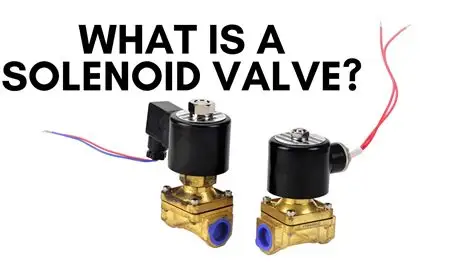
1. The Role of Seals in Solenoid Valve Reliability
Seals in solenoid valves perform multiple critical functions:
Preventing Leakage: By creating tight barriers between moving parts and valve bodies, seals ensure zero leakage in both static and dynamic applications .
Chemical Resistance: They must withstand exposure to aggressive media, including oils, acids, solvents, or steam, without swelling, cracking, or degrading .
Temperature Adaptation: Seals retain elasticity across temperature extremes, from cryogenic conditions to high-temperature steam environments .
Mechanical Durability: They endure repeated compression and friction from valve actuation, resisting wear and extrusion over millions of cycles .
The wrong material choice can lead to seal hardening, extrusion, or chemical corrosion—common causes of valve failure .
2. Key Sealing Materials: Properties and Applications
2.1 NBR (Nitrile Butadiene Rubber)
Core Strengths: Excellent resistance to mineral-based oils, fuels, and greases, making it a cost-effective solution for hydraulic and pneumatic systems. It also offers good abrasion resistance and tensile strength .
Limitations: Vulnerable to ozone, UV exposure, and ketone/ester-based solvents; operating temperature range is narrower than advanced polymers .
Temperature Range: -30°C to +100°C (short-term) .
Ideal For: Compressed air systems, engine fuel lines, lubricant control, and industrial hydraulics using mineral oils .
2.2 FKM (Fluorocarbon Rubber)
Core Strengths: Outstanding resistance to high temperatures, chemicals, and oxidation. FKM seals perform reliably in harsh media, including acids, synthetic oils, and aromatic hydrocarbons .
Limitations: Higher cost; limited flexibility at low temperatures; incompatible with ketones, esters, and ammonia .
Temperature Range: -20°C to +200°C (short-term peaks up to 230°C) .
Ideal For: Chemical processing, pharmaceutical equipment, high-temperature steam lines, and automotive turbo-systems .
2.3 EPDM (Ethylene Propylene Diene Monomer)
Core Strengths: Superior resistance to hot water, steam, ozone, and weathering. It also withstands phosphate ester fluids (e.g., Skydrol) and dilute acids/alkalis .
Limitations: Unsuitable for mineral oil or fuel applications; exposure causes rapid swelling and failure .
Temperature Range: -40°C to +150°C (short-term) .
Ideal For: Water treatment systems, cooling circuits, food and beverage processing, and aviation hydraulics using phosphate esters .
3. Comparative Analysis: Selecting the Right Material
The table below summarizes key performance attributes :
| Property | NBR | FKM | EPDM |
| Mineral Oil Resistance | Excellent | Excellent | Poor (Avoid) |
| Water/Steam Resistance | Moderate | Good | Excellent |
| Max Continuous Temperature | 100°C | 200°C | 150°C |
| Low-Temperature Flexibility | -30°C | -20°C | -40°C |
| Oxidation/Ozone Resistance | Poor | Excellent | Excellent |
| Cost Efficiency | Economic | Premium | Moderate |
4. A Structured Selection Methodology
Step 1: Define the Fluid Media
Water, steam, or alcohols: EPDM is typically optimal due to its hydro-stability .
Oils, fuels, or hydrocarbons: NBR or FKM are suitable, with FKM preferred for elevated temperatures or synthetic fluids .
Chemically aggressive media: Verify compatibility using chemical resistance charts; FKM often provides the broadest resistance .
Step 2: Assess Temperature and Pressure
High-temperature environments (>150°C): FKM or specialized polymers (e.g., FFKM) are necessary to avoid rapid aging .
Cryogenic applications: EPDM or PTFE-based materials maintain elasticity at low temperatures .
Pressure extremes: Ensure the seal’s mechanical strength and anti-extrusion design align with system pressure .
Step 3: Evaluate Lifetime and Cost Constraints
Short-life, non-critical systems: NBR offers a balance of performance and economy .
Long-life, harsh, or safety-critical applications: Invest in FKM for reduced downtime and higher reliability .
5. Common Pitfalls and Consequences
Using NBR with steam or ozone: Causes hardening, cracking, and leakage within weeks .
Applying EPDM in oil pipelines: Leads to rapid seal swelling, valve seizure, and system failure .
Selecting FKM for low-temperature gases: May result in brittle fractures below -20°C without low-temperature grades .
6. Future Trends in Seal Technology
High-Performance Blends: PTFE-filled elastomers enhance chemical and temperature resistance while reducing friction .
Smart Seals: Embedded sensors monitor wear, pressure, and temperature, enabling predictive maintenance .
Sustainable Materials: Bio-based polymers and recyclable compounds are gaining traction for eco-conscious industries .
Conclusion
Sealing material selection is not a one-size-fits-all process but a systematic alignment of material properties with operational demands. While NBR excels in oil-based systems, FKM withstands aggressive chemicals and high temperatures, and EPDM is unmatched in water and steam applications. Understanding these distinctions—and leveraging technical data from suppliers—ensures optimal valve performance, reduces lifecycle costs, and mitigates operational risks.
This article is for informational purposes. Always consult technical datasheets and conduct compatibility tests for specific applications.
References
Miller Valves – Solenoid Valve Seals (2023)
Baidu Baike – Solenoid Valve Sealing Materials (2025)
Chemical Instrument Network – Low-Temperature Sealing Materials (2023)
Ybzhan – Corrosive Fluid Valve Material Selection (2022)
ROTEX – Seal Temperature Ranges (2023)
FESTO – Seal Material Selection Criteria (2022)
Post time: Jan-23-2026