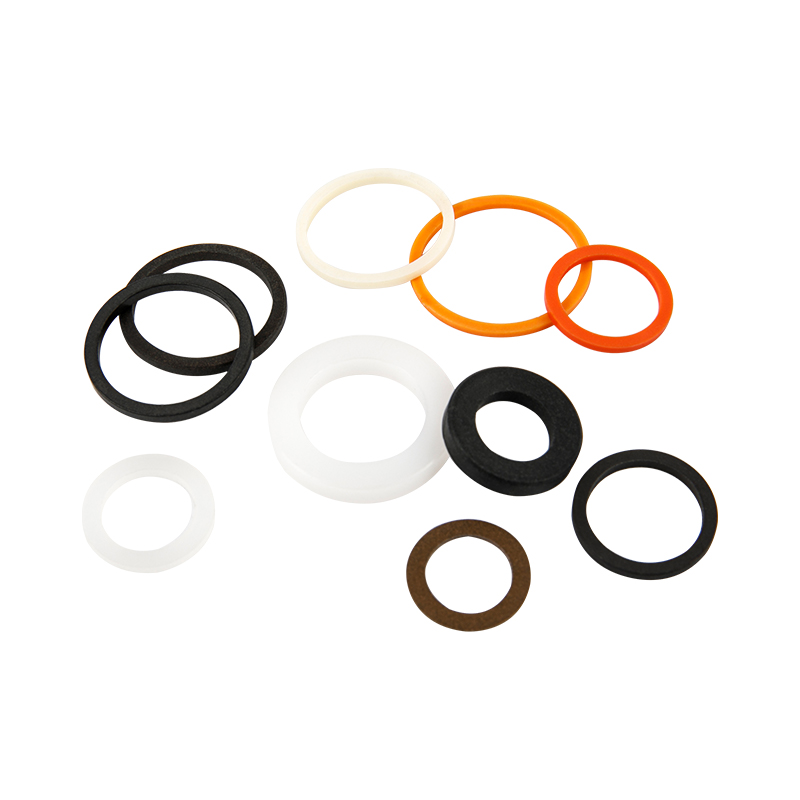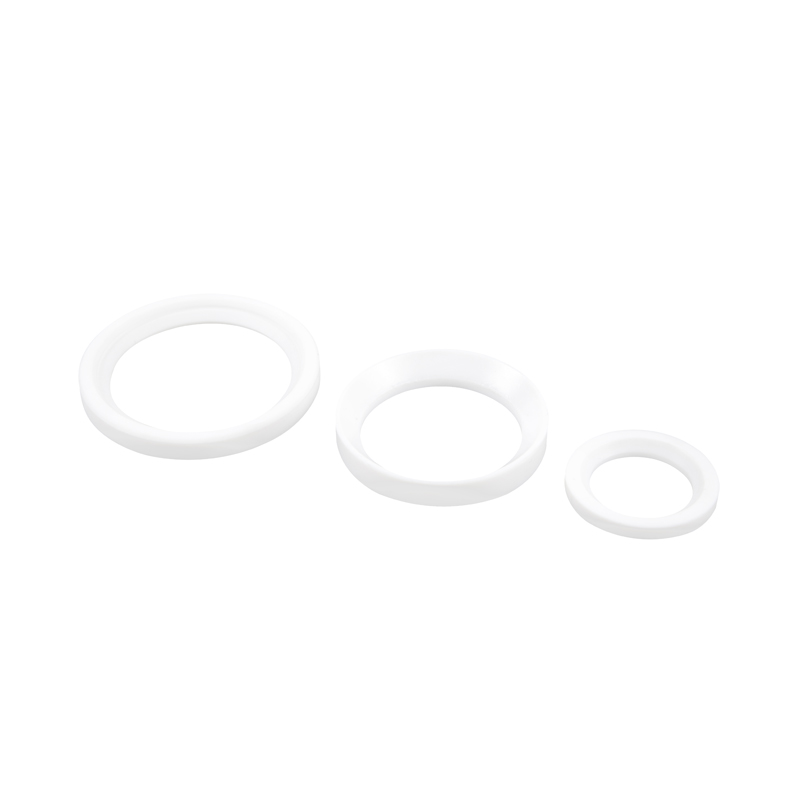
PU Dust Proof Seals Wiper Seals
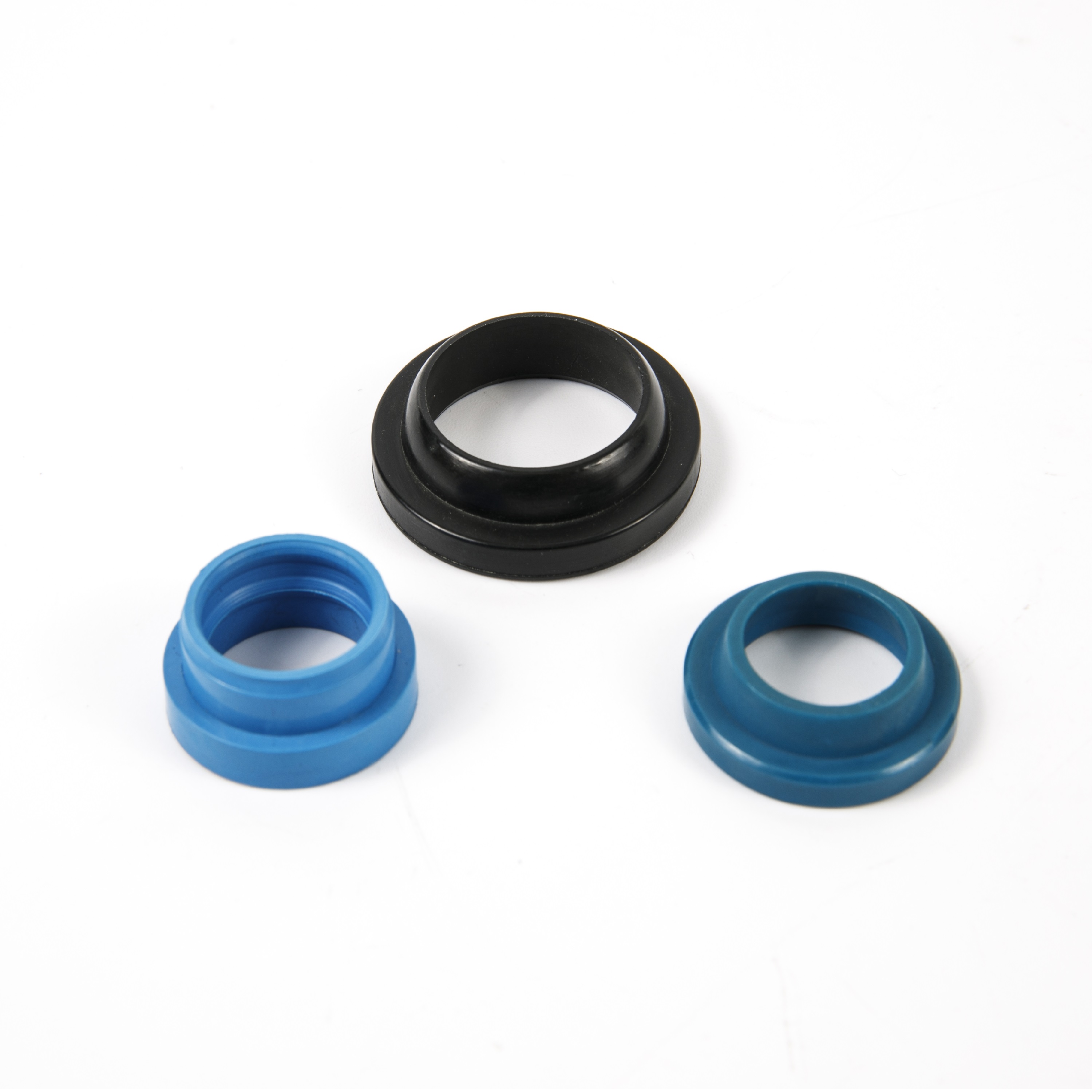
Product Details & High-Performance Features
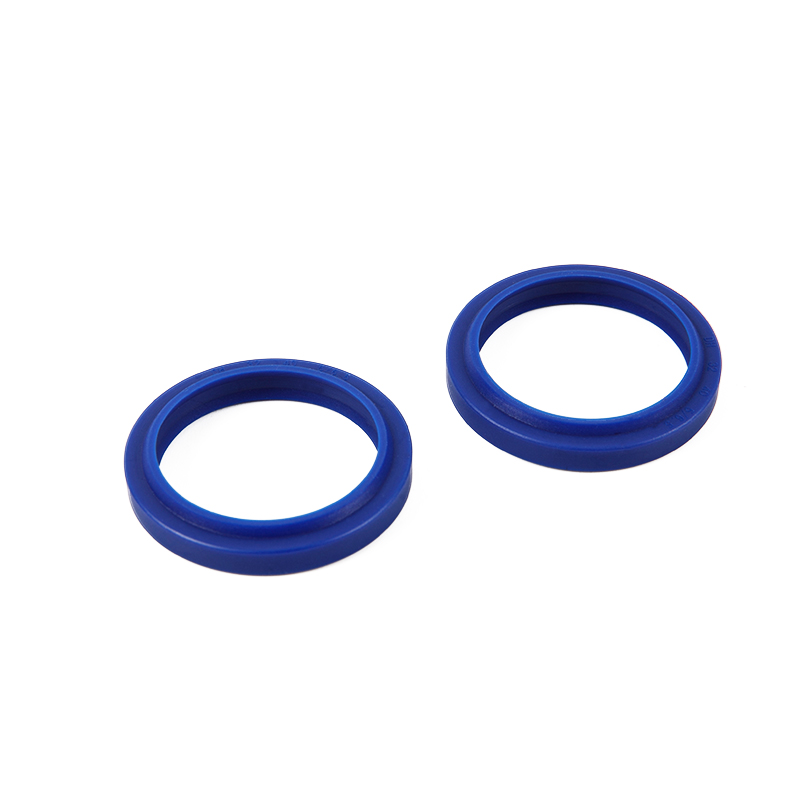
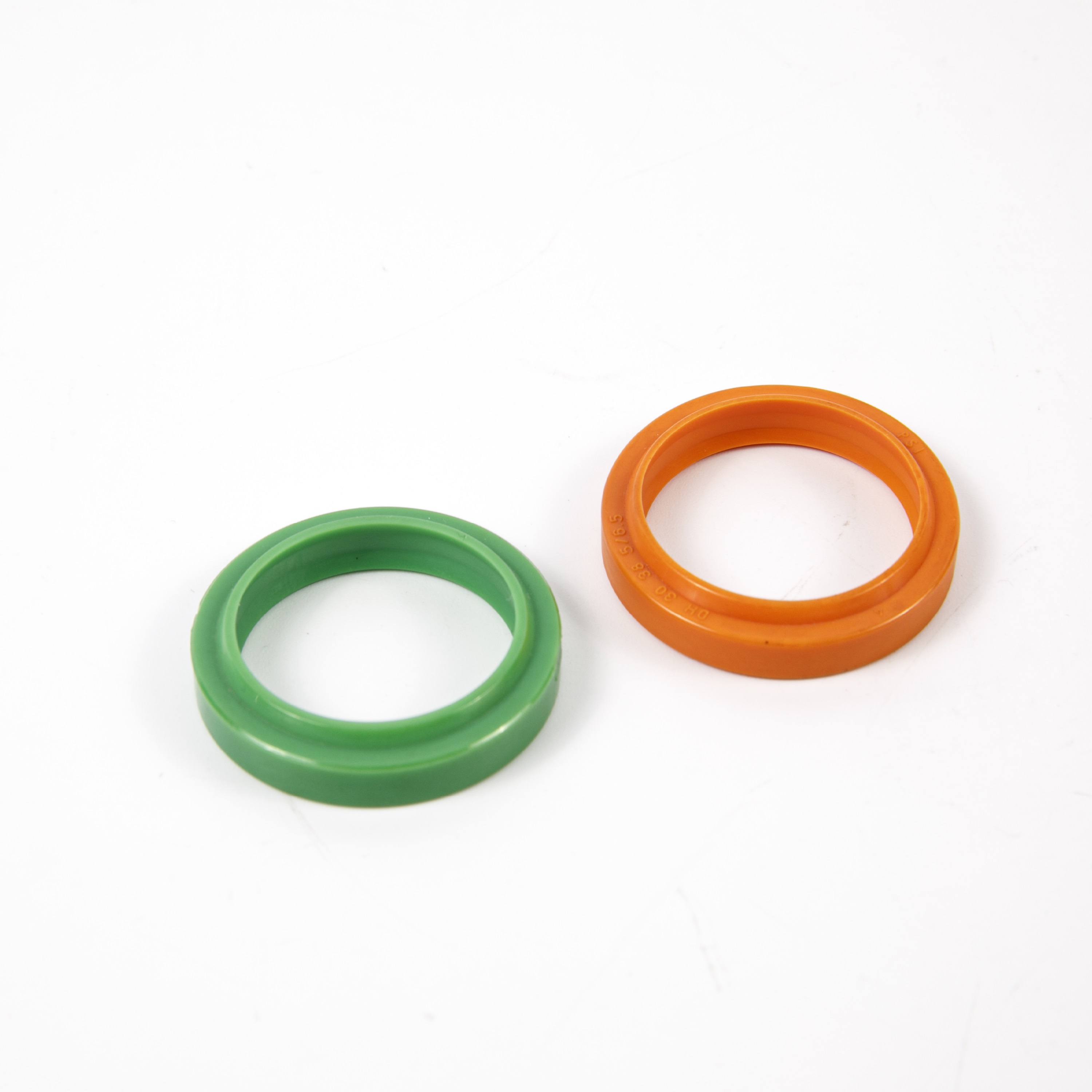
Our PU Wiper Seals serve as the critical "First Line of Defense" for hydraulic and pneumatic cylinders, acting as a high-precision barrier against abrasive environmental elements.
- • Contaminant Exclusion: Specifically engineered to scrape away mud, ice, and abrasive dust particles from the reciprocating rod.
- • High-Modulus TPU: Manufactured from premium Thermoplastic Polyurethane with superior elastic memory and low compression set.
- • Internal Protection: Prevents the ingress of particles that score the rod surface, protecting the internal high-pressure oil seals.
- • Advanced Durability: Outperforms traditional NBR and fabric-reinforced wipers in heavy-duty reciprocating applications.
Material Science & Molecular Excellence
We leverage advanced molecular cross-linking in our TPU formulations to ensure that the scraper lip maintains a sharp "Knife-Edge" even after millions of cycles. The molecular architecture is engineered to resist mechanical deformation and "rounding," which is the primary cause of wiper failure in standard rubber seals.
- • Abrasion Resistance: Achieves industry-leading DIN 53516 loss ratings (≤ 25 mm³).
- • Tear Strength: High resilience against jagged debris and metallic particles commonly found in mining and construction sites.
- • Thermal Stability: Operates reliably across a wide temperature spectrum (-40°C to +110°C) without losing lip tension.
Technical Specifications & Performance Matrix
To ensure engineering precision, we provide validated data for material benchmarking and system compatibility.
Table 1: Physical & Mechanical Properties (93 Shore A TPU)
|
Property |
Value |
Test Standard |
| Material Base | High-Grade TPU |
- |
| Hardness | 93 ± 2 Shore A |
ASTM D2240 |
| Tensile Strength | ≥ 50 MPa |
ASTM D412 |
| Abrasion Loss | ≤ 25 mm³ |
DIN 53516 |
| Temperature Range | -40°C to +110°C |
Operational Limit |
Table 2: Industrial Fluid Compatibility
|
Fluid Type |
Compatibility |
Recommendation |
| Mineral-Based Hydraulic Oils | A - Excellent | Standard Application |
| Lubricating Greases | A - Excellent | Highly Compatible |
| Water-Glycols (HFC) | B - Good | Use Hydrolysis-Resistant Grades |
| Phosphate Esters (HFD) | D - Poor | Use FKM (Viton) instead |
Precision Lip Geometry & Engineering
The precision-molded lip profile is the core of our Wiper Seal's performance. The design incorporates a specific "interference fit" against the rod, ensuring that even microscopic contaminants are excluded without increasing the system's friction coefficient significantly.
- • Dynamic Scraper Lip: Optimized geometry for aggressive debris removal on the inward stroke.
- • Static Sealing Heel: Designed to fit securely in the groove, preventing moisture and fine dust from bypassing the seal via the housing.
Industrial Applications & Engineering Support
Our PU Wiper Seals are the global standard for high-cycle equipment operating in abrasive environments.
- • Construction Machinery: Excavators, loaders, and bulldozers.
- • Mining Equipment: Hydraulic roof supports and heavy-duty drilling rigs.
- • Industrial Automation: High-speed pneumatic and hydraulic cylinders.
- • Mobile Hydraulics: Waste management trucks and material handling cranes.
- • FMEA Support: We offer RPN (Risk Priority Number) analysis to help engineers mitigate risks like hydrolytic degradation and lip inversion in specific field conditions.
Technical Q&A & Expert Insights
Q: Why is PU (Polyurethane) the preferred material for wiper seals over standard rubber?
A: Polyurethane offers a much higher modulus and abrasion resistance than Nitrile (NBR). In abrasive environments, a rubber lip will quickly "round off," allowing dust to enter the system. PU remains sharp and resilient, extending the life of the entire hydraulic circuit by up to 300%.
Q: What is the recommended rod surface finish for Yokey PU Wipers?
A: For optimal performance and minimal wear, we recommend a rod surface finish of Ra 0.1 to 0.4 µm. Surfaces that are too rough will accelerate lip wear, while extremely smooth surfaces can cause "stick-slip" vibrations.
Q: Are custom profiles and hydrolysis-resistant (H-PU) grades available for marine environments?
A: Yes. We provide custom-engineered profiles and specialized H-PU (Hydrolysis-Resistant) grades for equipment operating in tropical, high-humidity, or marine environments, preventing the material from degrading under moisture-heavy conditions.